Brand & Marketing Strategy
Most brands know what they want to say. Far fewer know what would make somebody act. We start with the behaviour, work back to the positioning, and give you a brand people can find themselves in.


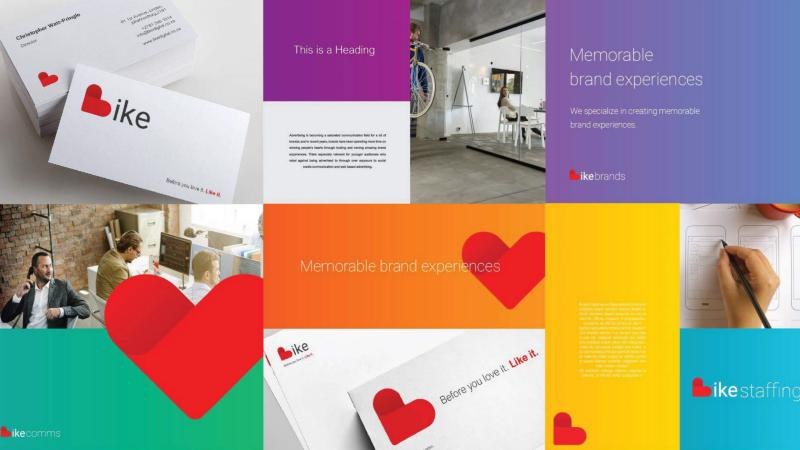
Where this work earns its place.
Brands entering a new market
The category rules are already written. The question is which gap is genuinely winnable rather than merely empty.
Brands that stopped growing
The work is no longer awareness. Something in the proposition is failing to turn attention into action.
Businesses with several brands
The portfolio has grown faster than the logic holding it together, and the brands have started competing with each other.
The deliverables.
18 of them, in 2 groups. This is the list we scope and invoice against.
Brand Strategy
- Brand audit
- Market research
- Audience insight
- Brand architecture
- Internal alignment
- Customer journey mapping
- Behavioural insights
- CRM strategy
- Audience segmentation
- Consumer psychology
Positioning
- Competitive analysis
- Value proposition
- Market positioning
- Messaging framework
- Differentiation strategy
- Brand narrative
- Go-to-market strategy
- Campaign strategy
How we work.
We start from behaviour, not preference
What people say they want and what they reach for are different things. Our research is built to find the second one.
Positioning is a decision, not a description
A position is only useful if it rules something out. We make the trade-off explicit, so the rest of the work has something to push against.
Strategy that survives the brief
A framework nobody can apply is a document, not a strategy. Everything we hand over is written to be used by the people making the work.
Selected work.

Before you ask.
How long does a brand strategy project take?
Six to ten weeks is typical, depending on how much primary research is needed. An audit and positioning sprint runs shorter; a full architecture project across several brands runs longer.
Do you do the research yourselves?
Yes. Audits, interviews, segmentation and competitive analysis are run in-house, which means the people building the positioning are the people who heard the answers.
Can you work with our existing brand?
Usually that is the better outcome. Refining what has already earned recognition beats replacing it. ANAT is a good example: we kept the equity and changed the system around it.
What do we actually receive?
A positioning framework, audience segmentation, a messaging architecture and a go-to-market plan, in a form your team and any agency you work with can apply directly.